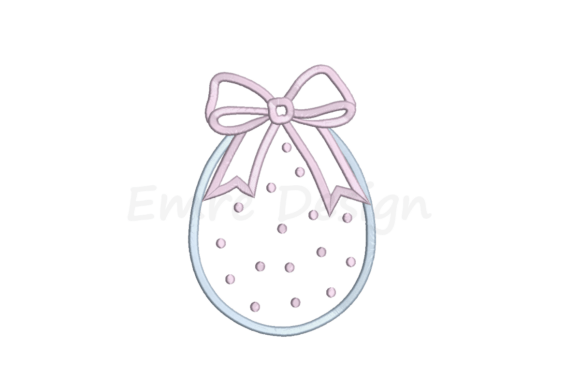
Coquette Easter Egg Outline Embroidery Review
As an experienced embroidery designer who has spent years refining designs for personalized gift products, I recently put the Coquette Easter Egg Outline Embroidery to the test. My goal was simple: determine if this piece could stand up to the rigorous demands of a busy Etsy shop or a custom order business. The result? It is a charming addition that brings a whimsical touch to any item, but it requires specific attention to detail to truly shine.
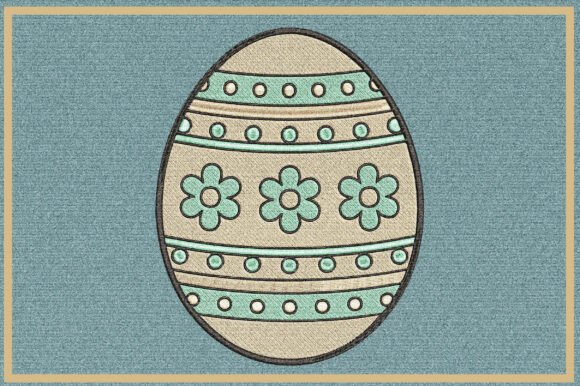
The first impression of this design is undeniably sweet and playful. It captures the essence of the season without being overly heavy-handed. Unlike some modern digital files that feel cold or robotic, this machine embroidery design feels handcrafted. The outline style gives it an elegant, airy quality that works beautifully for delicate items like baby blankets or aprons. When I laid out my mockups, the design immediately suggested a narrative of springtime renewal and gentle celebration.
Perfect Applications for Personalized Gifts
This embroidery file is incredibly versatile, making it a top contender for various categories of handmade products. If you are a small business owner looking to expand your inventory, here is where I believe this design will perform best:
- Baby Embroidery Projects: The soft lines of the Coquette Easter Egg Outline are perfect for nursery decor. Imagine this stitched onto a white muslin swaddle or a pastel-colored crib sheet. It adds a layer of sophistication that parents love, moving away from the cluttered look of traditional cartoonish prints.
- Wedding Keepsakes: For a spring wedding, this design can elevate guest favors. A set of embroidered towels with this motif serves as a memorable wedding gift that guests will actually use in their own homes. It bridges the gap between festive and functional.
- Kitchen and Home Decor: There is something inherently cozy about a kitchen towel featuring a seasonal motif. This design transforms a standard embroidered towel into a statement piece. It also looks fantastic on pillow covers, adding a pop of personality to a living room or entryway.
- Tote Bags and Aprons: For craft fairs and market days, custom tote bags with this design attract a specific demographic. They appeal to buyers who appreciate a "coquette" aesthetic—romantic, feminine, and slightly nostalgic. An apron with this detail becomes a cherished tool for bakers and gardeners alike.
Evaluating the Finished Product Quality
When creating a finished product, the perceived value is everything. Customers buying from an Etsy seller or a small shop product line expect high-quality craftsmanship. The Coquette Easter Egg Outline Embroidery delivers on this front because its clean lines allow the thread texture to speak for itself. In product photography, these outlines catch the light beautifully, creating depth and dimension that flat prints cannot achieve.
The emotional connection is strong here. A buyer purchasing a custom tote bag or a baby blanket wants to feel that the item was made with care. This design supports that feeling. It suggests a thoughtful creator who understands the nuances of thread colors and fabric selection. By choosing this design, you are signaling to your customer that you prioritize handmade quality over mass-produced speed.
Strategic Considerations for Production
While this design is delightful, a professional must know where to exercise caution. Not every surface is suitable for every stitch pattern. Based on my testing, there are specific scenarios where this design needs careful handling:
- Fabric Texture and Thickness: Thick terry cloth towels can sometimes swallow fine details. While the outline is robust, extremely plush fabrics might require a denser underlay or a different stabilizer choice to ensure the stitches lay flat. Always check how the design interacts with the fabric texture before running a full production batch.
- Stretchy Fabrics: Baby clothes are often made of stretchy knits. If you plan to use this on a onesie or a soft jersey knit, you must be mindful of the stitch density. Too much density on a stretchy fabric can cause puckering. Use a cut-away stabilizer to maintain integrity, and test on scrap material first.
- Small Lettering and Delicate Details: If you plan to add names or dates alongside this design, ensure the font size complements the egg outline. Very small lettering next to delicate lines can get lost during the washing process. The embroidery design works best when it is the focal point, not competing with tiny text.
- Dark Fabrics: Outlines generally show up better on light backgrounds. On dark fabric, the contrast might be muted unless you choose a metallic or high-vis thread. Test your thread colors against the final fabric color to ensure the whimsical touch isn't lost in the shadows.
- Curved Surfaces: Items like hats or rounded mugs present a challenge for hoop stability. Ensure your machine settings account for the curvature so the design does not distort.
Practical Tips for the Embroidery Maker
To ensure your custom embroidery projects meet the highest standards, follow these practical steps before accepting real customer orders:
Test on Scrap Fabric: Never skip this step. Run a test on the exact same fabric and stabilizer combination you intend to use for the final product. This helps you identify potential issues with puckering or thread breaks early.
Check Thread Color Contrast: The mood of the digital embroidery file changes based on the thread. A pastel pink thread creates a softer vibe than a bold red. Experiment with different palettes to see which best fits your brand identity.
Confirm Hoop Size: Ensure your hoop accommodates the design dimensions comfortably. If the design is too large for your hoop, you may need to reposition it, which can lead to misalignment. Verify the maximum stitching area required.
Review Stitch Density: High-density areas can cause needle deflection. Look at the digitization to see if the fill areas are too thick. If they are, consider adjusting the density in your software or using a lighter weight thread to reduce bulk.
Use Proper Stabilizer: The right stabilizer is crucial for a clean finish. For home decor items like pillow covers, a tear-away or cut-away stabilizer works well. For wearable items, a water-soluble stabilizer might be necessary to prevent stiffness.
Compare Light and Dark Mockups: Before listing a commercial embroidery product, create digital mockups showing the design on both light and dark fabrics. This transparency builds trust with your customers and reduces returns due to unexpected results.
Check Small Details After Stitching: Zoom in on your test samples. Are the corners of the outline sharp? Is the thread tension even? These small details separate a hobbyist project from a professional handmade product.
Confirm Commercial Licensing: Before selling finished goods, double-check the licensing terms provided with the file. Ensure you have the rights to sell the physical items created with this embroidery design.
Final Thoughts on Giftability
The Coquette Easter Egg Outline Embroidery is more than just a seasonal graphic; it is a tool for building a loyal customer base. It appeals to those who value tradition mixed with modern aesthetics. Whether you are creating a baby shower gift, a wedding favor, or a spring collection for your online store, this design offers a reliable way to deliver emotional value.
By paying attention to the technical aspects of embroidery—such as stabilizer choice, thread selection, and fabric compatibility—you can transform a simple outline into a treasured keepsake. It invites the wearer to slow down and appreciate the handmade quality that goes into every stitch. For any crafter or small business owner looking to add a touch of whimsy and elegance to their catalog, this design is a worthy investment of time and resources.