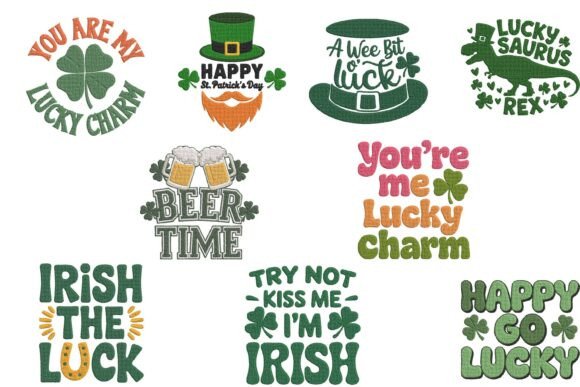
Lucky St Patricks Day Embroidery Design
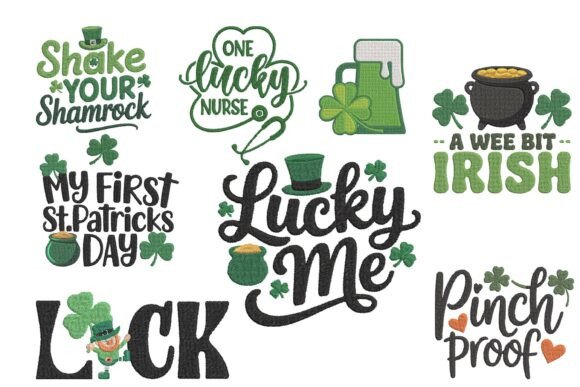
As an experienced embroidery designer preparing for a weekend craft fair, I spend a lot of time evaluating digital files before they ever touch the hoop. The difference between a design that sits in a folder and one that sells out by noon often comes down to visual impact, production practicality, and how well it translates from a screen to a finished product. Today, I am reviewing the Lucky St Patricks Day Embroidery Design, specifically looking at its potential as a standout piece for handmade market products.
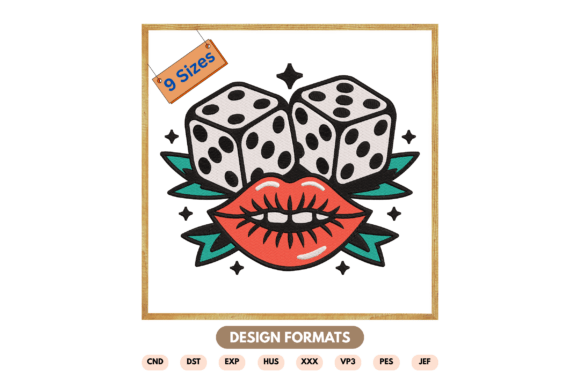
The product description notes that this design is perfect for stitching on baby onesies, toddler tees, trick-or-treat bags, or Halloween decor for a cute-but-creepy vibe. This specific combination of themes immediately raises a flag for me. While the title suggests a festive St Patrick's Day theme, the description mentions Halloween elements. In my experience, clarity is king in retail. If a customer sees a design labeled "St Patricks Day" but the details hint at "trick-or-treat," it can create confusion at a busy booth. However, if the design itself blends these vibes into a unique, quirky aesthetic, it could be a conversation starter. For now, I will assume the primary intent is a festive, perhaps slightly edgy, St Patrick's Day motif that fits the "cute-but-creepy" niche.
First Impressions and Visual Appeal
When I look at the Lucky St Patricks Day Embroidery Design, the first thing I assess is the mood. Is it bold enough to catch an eye from across a crowded aisle? Is it soft enough to appeal to parents buying gifts? The description highlights availability in 5 sizes, with Size 1 measuring 3.8 inches. This size range is crucial because it dictates where the design can live on a garment or accessory.
A 3.8-inch design is substantial. It is not a tiny accent; it is a focal point. On a white tea towel or a canvas tote bag, this size commands attention. It feels premium rather than mass-produced. For a boutique maker or an Etsy seller, this scale allows the texture of the stitches to shine through, which is essential for justifying a higher price point on handmade goods. The "cute-but-creepy" descriptor suggests a playful edge that might resonate with younger crowds or those looking for something beyond the standard shamrock. If the design captures that specific vibe, it stands out against the sea of generic green and gold items found at most craft fairs.
Product Versatility for Market Sellers
In a real-world scenario, I imagine setting up a table display featuring embroidered tote bags, aprons, kitchen towels, patches, caps, small pouches, and pillow covers. Where does Lucky St Patricks Day Embroidery Design fit best?
- Tote Bags and Market Bags: These are high-volume sellers. A 3.8-inch design placed centrally on a canvas tote creates a strong statement piece. It photographs beautifully for online listings, making it a great asset for an Etsy seller building their shop.
- Aprons and Tea Towels: Kitchen accessories are perennial favorites. The design works well here, especially if the thread colors contrast sharply with the fabric. An apron with this design becomes a functional piece of art.
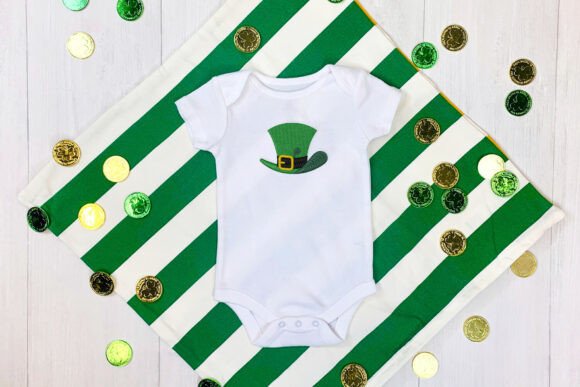
- Baby Onesies and Toddler Tees: The description explicitly mentions these items. A smaller version of the design (if available in the 5 sizes) would be adorable on a onesie. Parents love unique, handmade clothing for their little ones, and the "cute" aspect of the design plays perfectly into this category.
- Embroidered Patches: With a dense stitch structure, this design could be stabilized and cut out to create iron-on patches. These are excellent add-on items for craft fair booths, allowing customers to customize jackets or bags themselves.
- Halloween Decor and Trick-or-Treat Bags: Despite the St. Patrick's title, the description's mention of Halloween decor suggests versatility. If the design is adaptable, it could bridge two holidays, offering a unique twist on seasonal merchandise.
Production Practicality and Quality Control
For a commercial embroidery business or a small shop owner, efficiency is everything. I need to know if the Lucky St Patricks Day Embroidery Design is easy to understand at a glance. Can it be produced quickly without constant machine stops? Does it feel repeatable for batch production?
If the design relies on tiny lettering or intricate details that get lost when stitched on thick fabric, it will be a nightmare to produce. I always advise checking the stitch density and ensuring there are no overly small elements that might break or bunch up. Thick fabrics like denim or textured towels can hide fine details, so the design must have enough weight to stand up to the material.
Furthermore, the design needs to photograph well. In the age of social media marketing, a machine embroidery design that looks good in person but bad on a phone screen loses value. The contrast of the thread colors against the fabric is critical. Dark fabrics require light threads, and vice versa. I recommend creating at least one real mockup to see how the design behaves under natural lighting versus flash photography.
Crucial Considerations for Success
Before turning this file into a line of finished products, there are several technical checks every crafter must perform. First, confirm the hoop size. A 3.8-inch design requires a hoop large enough to accommodate the full area without cutting off edges. Second, inspect the stitch density. High density can make fabric pucker, especially on lightweight materials like baby onesies. Using the right stabilizer is non-negotiable here.
I also urge designers to test the design on scrap fabric that matches the final product's texture. Fabric texture can alter the look of the stitches significantly. A design that looks crisp on smooth cotton might look muddy on a boucle or linen blend. Additionally, check the thread colors. Do they pop? Are they consistent with current trends? Finally, confirm the commercial licensing terms. As a digital seller or boutique maker, you must ensure you have the rights to sell finished products made with this embroidery file.
Impact on Brand and Sales
Ultimately, the Lucky St Patricks Day Embroidery Design has the potential to drive significant sales if executed correctly. It affects visual appeal by adding a layer of handmade quality that machine-printed goods cannot replicate. Customers at craft fairs are looking for uniqueness, and a design with a "cute-but-creepy" vibe offers exactly that.
It strengthens brand consistency when used across a collection of items—matching the tote bag, the apron, and the patch. This cohesion makes a booth look professional and organized. When a buyer sees a cohesive collection, they are more likely to engage with the vendor and purchase multiple items. The design acts as a hook, drawing people in with its distinct personality.
For the creative entrepreneur, this design represents an opportunity to expand their catalog. Whether used as a standalone crafter fair product or integrated into a larger series of holiday-themed goods, it offers flexibility. However, success depends on attention to detail. From selecting the perfect stabilizer to choosing the right fabric color, every step matters.
By treating the Lucky St Patricks Day Embroidery Design with the care it deserves, you transform a simple digital file into a tangible, profitable asset. It is about understanding the nuances of the medium and knowing what your customers truly want. With the right execution, this design can become a staple in your handmade shop, driving traffic and building a loyal customer base.