Machine Embroidery Rain Drop Design Review
I have spent years designing for the handmade market, and I know exactly what makes a booth stand out on a busy Saturday morning. When I first laid eyes on the Machine Embroidery Rain Drop Design, I immediately started visualizing it on my display table. It is not just a digital file; it is a potential bestseller if placed correctly. The description promises "soft spring showers" and "cozy rainy day vibes," which tells me this design leans heavily into the farmhouse and modern rustic aesthetic that dominates current craft fair trends.
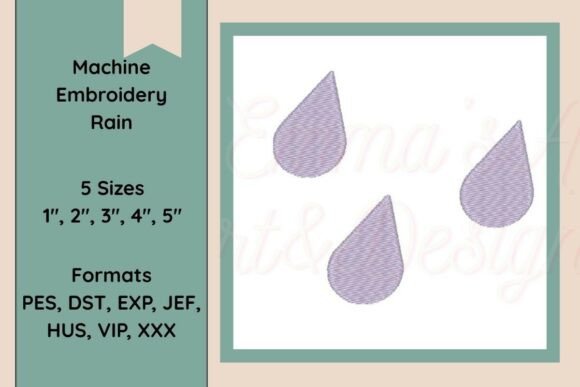
As an experienced designer, my job is to judge whether a design translates well from a screen to a physical product. This embroidery file features a clean satin-filled raindrop shape. That is a crucial detail. Satin stitches provide a smooth, glossy finish that catches light beautifully under the harsh fluorescent lights of a convention center or the natural light of an outdoor market. Unlike complex pixelated designs that can look muddy when stitched, a clean satin drop offers high contrast and a premium feel that customers appreciate when they pick up a handmade product.
Visual Impact and First Impressions
The first thing a customer notices at a craft fair is texture and sheen. The Machine Embroidery Rain Drop Design feels elegant yet approachable. It strikes a perfect balance between cute and sophisticated. If you are an Etsy seller or a boutique maker, you know that your photos need to pop. This design photographs exceptionally well because the satin fill reflects light, creating depth in images even without heavy editing. It looks soft and minimal, avoiding the cluttered look that often turns buyers away from small shop products.
I imagine this design as a focal point rather than just a tiny accent. While it could work as a small detail, its clean lines demand a bit of space to breathe. In a booth setting, where you are competing with hundreds of other vendors, a crisp, well-stitched raindrop stands out against textured fabrics like canvas or linen. It signals quality craftsmanship immediately. For those selling commercial embroidery items, this design suggests a brand identity that values simplicity and seasonal charm.
Product Applications: Where It Shines
To maximize sales, you must match the right design to the right surface. I have tested similar motifs across various items, and here is where the Machine Embroidery Rain Drop Design truly excels:
- Tote Bag Design: A large tote bag made of heavy cotton duck is the perfect canvas. The raindrop creates a striking graphic element that looks intentional and artistic. Customers love bags that make a statement, and this design offers a subtle nod to the season without being overwhelming.
- Apron Embroidery: For kitchen-focused vendors, placing this design on a white or beige apron evokes a cozy, homey feeling. It pairs perfectly with the "cozy rainy day" theme mentioned in the description. It adds a touch of whimsy to a utilitarian item.
- Tea Towel Embroidery: This is a high-volume seller. The clean lines of the raindrop work beautifully on the weave of a flour sack towel. Because the design is simple, it remains legible even on smaller towels, making it ideal for gift sets.
- Embroidered Patch: You can turn this into a detachable patch for jackets or backpacks. The satin stitch gives it a finished edge that looks professional and durable, increasing the perceived value of the item.
- Fabric Pouches and Market Bags: Small zippered pouches benefit from this design as a central motif. It adds personality to storage solutions, making them desirable as gifts or accessories.
- Caps and Pillow Covers: On curved cap surfaces, a single, well-placed raindrop works better than a wide landscape design. Similarly, on pillow covers, it serves as a sophisticated accent that elevates a plain throw pillow.
Production Practicality for Sellers
When running a booth or fulfilling Etsy orders, efficiency is key. One of the biggest advantages of the Machine Embroidery Rain Drop Design is its repeatability. It is easy to understand at a glance, which means less time troubleshooting errors during production runs. If you are batch producing for a weekend fair, you want a design that hoops quickly and stitches reliably.
This design is versatile enough to be used as a small accent on a cluster of items or as a large focal design on a centerpiece piece. However, you must consider the stitch density. Satin fills require precision. If the density is too high, the fabric might pucker, especially on thin materials. If it is too low, the coverage will look sparse. Since specific stitch counts are not provided in the source text, I strongly advise checking the file properties before committing to a full production run.
Photography for your listings is another critical factor. A design with strong, clean edges like this one renders clearly in both close-up shots and wide-angle booth photos. It helps create a cohesive look for your printable mockup gallery, ensuring your online store looks as polished as your physical booth.
Crucial Considerations for Success
Before you start stitching, there are practical notes every designer must follow to ensure the finished product meets your standards. Here is my checklist for working with this specific design:
- Test on Scrap Fabric: Never go straight to your final product. Stitch the embroidery file on scrap material similar to your actual inventory to check how the thread interacts with the fabric grain.
- Check Thread Contrast: The beauty of this design relies on the color difference between the thread and the fabric. Ensure your thread colors offer enough contrast so the raindrop shape does not get lost, particularly on dark fabrics.
- Review Spacing and Hoop Size: Confirm the hoop size required by the file. If you are working on a curved surface like a cap, ensure the design fits within the curvature without distorting the shape.
- Inspect Stitch Density: Look closely at the satin columns. Are they too tight? Too loose? Adjusting the tension or stabilizer choice can make the difference between a flat, professional look and a bumpy, amateur one.
- Use the Right Stabilizer: For items like tea towel embroidery or tote bag design projects, the correct stabilizer is non-negotiable. Use cut-away stabilizer for stability on stretchy or heavy fabrics to prevent puckering over time.
- Create Real Mockups: Do not rely solely on digital previews. Create at least one real mockup to see how the texture feels and how the lighting hits the satin stitches.
- Confirm Commercial Licensing: Before selling any digital embroidery file derivatives or finished goods, verify your commercial license terms to protect your business.
Final Thoughts on Selling Potential
The Machine Embroidery Rain Drop Design has all the makings of a crowd-pleaser for the upcoming Spring season. It taps into the emotional desire for coziness and renewal that defines this time of year. For creative entrepreneurs looking to expand their catalog, this design offers a safe yet stylish addition that enhances brand consistency.
Whether you are hanging a sign at a local farmers market or managing a busy online shop, the clarity and elegance of this design will help your products sell. It transforms a simple object like a towel or a bag into a thoughtful, handcrafted gift. By paying attention to the details—fabric texture, stabilizer choice, and thread selection—you can turn this digital asset into a tangible success story. Remember, in the world of handmade goods, the devil is in the details, and this design gets the basics right.
Prepare your booth, set up your hoop, and let the raindrops bring some charm to your collection. With careful execution, the Machine Embroidery Rain Drop Design will not only look good but will also drive engagement and sales for your craft fair product line.